Contact
Get a London plumber quote
Send the problem, phone number and postcode. We will call back with the next available plumber and confirm the price before work starts.
Call 020 3907 3663Request callback
What happens next
Your engineer arrives ready for the job
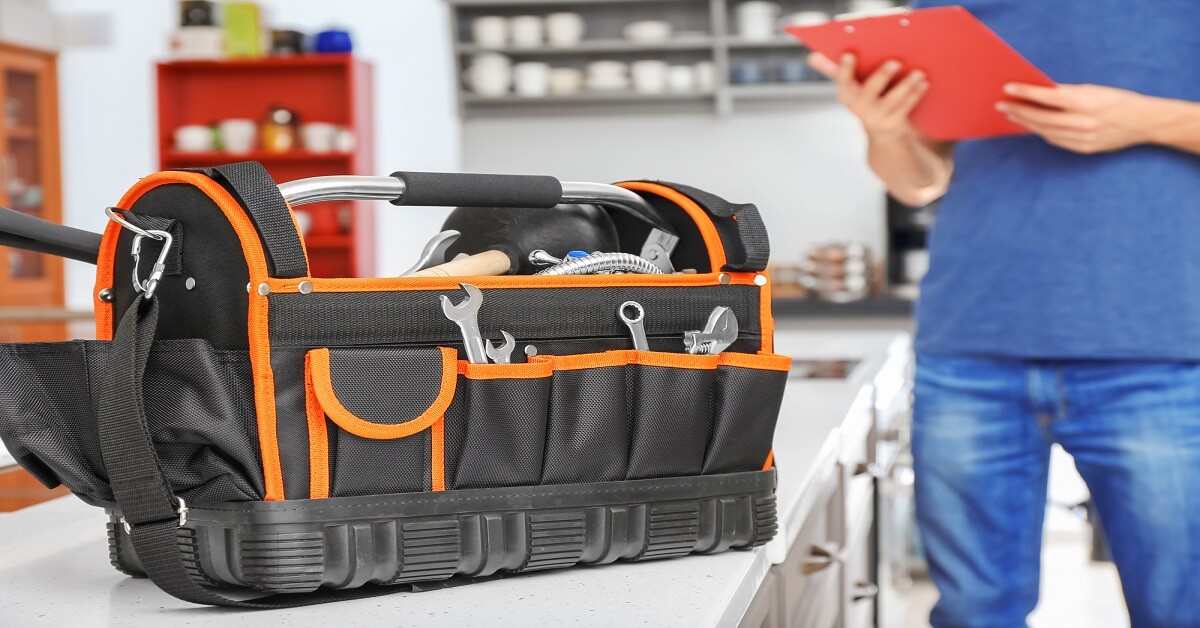
Once the callback confirms access and price, the plumber travels out with the right tools and parts for the job you described.
Plumbing guide
Get a plumber out, with a price agreed first
If you need someone today, the phone number above is the fastest route: call 020 3907 3663, describe what is happening, and we will confirm the next available slot and talk through pricing on the same call.
If you would rather send the details first and get a callback at a sensible time, the short form does exactly that. Either way, the sections below cover coverage, landlord support and common questions if you want more information before you get in touch.
If you need someone today
Call and describe the problem in plain terms: what is leaking, blocked or not working, whether water is still active, and your postcode. We will tell you the next available slot rather than leaving you waiting for a call back.
For anything actively spreading, whether that is water coming through a ceiling or a toilet you cannot use, treat it as urgent and call rather than filling in the form.
If you would rather send the details first
The quote form asks for the service, your name, phone number and postcode. Add a short description if it is not urgent and you would prefer to arrange a convenient time rather than the next available slot.
We will call you back to confirm timing and the price before anyone is booked in, so there is no obligation attached to sending the form.
Landlords, agents and tenants getting in touch
A tenant can report the fault and arrange access, while a landlord or letting agent approves the cost over the phone without needing to be on site. Just let us know who is doing which when you get in touch.
If you manage several properties, keeping the postcode, the fault and the tenant's contact details together before you call speeds up every part of the process.
What happens straight after you get in touch
We confirm what the fault sounds like, check the next available slot for your postcode, and talk through pricing before anything is booked in. If it is urgent, that whole conversation usually takes a couple of minutes.
You will get a time window rather than a vague "sometime today", and a fixed price rather than an estimate that might change once the plumber is in the building.
Before you call or send the form
Have your postcode ready, along with a plain description of what is happening: which room, which fixture, and whether water is currently running. If you can safely reach a stopcock or isolation valve, it helps to know whether it turns freely.
None of this needs to be perfect. We would rather have a rough description straight away than wait while you try to work out the exact technical term for the fault.
Getting a price agreed
Whatever brought you to this page, the pricing process stays the same: we look at the job, agree a fixed figure with you, and only then start work. If the scope changes once we are on site, for example a straightforward repair turning out to need a part replaced, we stop and talk to you again before carrying on.
That agreed-price step matters most when the person approving the cost is not the person on site, which is exactly the situation most landlords, agents and business owners are in.
Before we arrive
If water is running, isolate it if you safely can, using the stopcock or nearest valve. Do not force anything that will not turn. Keep clear of any electrics near water, move belongings out of the way, and take a few photos once things are under control. If a drain is blocked, stop using the affected fixture rather than continuing to run water into it.
In flats and managed buildings, check whether building management controls any shared valves or riser access before we get there. If the property is rented, tell the landlord or agent early if their sign-off is needed before work can go ahead.
Recognising a genuine emergency
Treat it as urgent if water is actively escaping, a ceiling is dripping, electrics might be affected, a toilet cannot be used, a drain is backing up, a business cannot operate normally, or someone vulnerable has no hot water or heating. These situations need a same-day decision, because delay tends to make the damage or the disruption worse rather than better.
Contained issues can still go through the quote form rather than a phone call. If a leak has stopped, the water is isolated, or a fixture can simply be left unused for now, describe the problem and we will call you back to arrange a convenient time instead.
Describing the problem clearly
Be specific about the room, the fixture and when it started. Say whether it is under a sink, behind a toilet, near a radiator, below a bath, around a shower tray, inside a kitchen unit or outside near a drain. Mention whether it started suddenly, only happens when a fixture is in use, or has been getting worse over a few days.
If there is water, say whether it is dripping, running, pooling or just showing up as a damp patch. If there is a blockage, say whether it is one fixture or several running slowly at once. If it is a boiler pressure problem, say how often it drops and whether any radiator valves or nearby pipework look damp.
Staying safe until we arrive
Do not lift flooring, remove panels or force valves you are not sure about. Avoid using the affected fixture if we have advised against it. Keep clear of any water near sockets, switches or appliances, and mention that when you call. If a ceiling is leaking, a container underneath is fine if it is safe to place one, but stay well away from any plaster that looks like it is sagging.
In flats and managed buildings, tell a neighbour or the building manager if water might be travelling between properties; shared plumbing can make the source hard to pin down, and an early heads-up avoids access problems later. If you run a business, keep staff and customers clear of wet floors and let us know if trading is affected.
What a fair quote actually looks like
A fair quote states the job clearly, covers labour and any parts needed, and does not change once work has started unless the scope genuinely changes. It should not leave you guessing what is and is not included. If a job might need a follow-up visit, for example to let plaster dry before a wall is made good, we say so at the quote stage rather than after the invoice lands.
Not every job costs the same, because not every property is the same. A ground-floor flat with an easy-to-reach stopcock is a different job to a boxed-in pipe run behind a bath panel in a top-floor conversion. What stays consistent is the order things happen in: we look, we quote, you agree, then work starts.
Phone or quote form: which to use
Call 020 3907 3663 when the problem is active, spreading, or stopping you from using the property normally. Use the quote form when it is contained, when you would rather book a convenient time, or when a landlord, tenant or agent needs the details written down before approving the visit.
Either route gets you to the same place: we understand what is wrong, confirm when someone can come, and agree the price before work starts. Neither one commits you to anything until you have said yes to the quote.
Getting ready for the visit
Before the plumber arrives, clear access to the affected area if it is safe to do so: empty the cupboard under a sink, move boxes away from a boiler, or unlock a meter cupboard if that is where access is needed. Make sure someone can answer a call from an unknown number around the appointment time, in case the plumber needs to confirm anything on the way.
If the property is rented, tell the landlord or agent as early as possible so their approval does not hold up the visit once a slot is booked. If you are in a managed block, check whether the building manager needs to be involved for lift access, concierge sign-off, or a shared riser cupboard.
Common reasons people get in touch
Most calls start with something visible or inconvenient: a ceiling stain after a shower upstairs, a blocked kitchen sink, a toilet that keeps refilling, a tap that will not shut off, a wet patch near a pipe, a boiler pressure drop, or a drain smell that keeps coming back. The sooner the symptom is described clearly, the easier it is to work out whether it needs urgent attention or a planned visit.
Some faults are not dramatic at first. A small drip can damage cabinets, flooring and plaster if it is left. A slow drain can become a full blockage within days. A pressure drop can point to a leak nowhere near the boiler itself. A short call is usually enough to turn a vague worry into a clear next step.
Keeping the call short
You should not need to work through a long list of questions before speaking to someone. The basics get things moving: the type of problem, your name, phone number, postcode and a short explanation of what is happening. Anything more detailed can be sorted out once we are talking, rather than making you pick a technical term for a fault you have never had to name before.
Describing what you can actually see matters more than getting the terminology right. We would rather hear "water dripping from the light fitting below the bathroom" than have you guess at a diagnosis over the phone.
Explore the site
Common questions
Do you cover the whole of London?
Yes. We work across all 32 London boroughs, with a page for each one covering local property types and the services on offer there.
Will I get a price before anyone starts work?
Yes. We look at the job, agree a fixed price with you, and only then start work.
Can someone come out at night or on a weekend?
Yes. We run a 24/7 line and will give you a straight answer on the next available slot rather than a vague callback promise.
Do you deal with landlords, agents and rented properties?
Yes. We work with landlords and letting agents regularly, and are used to arranging access with a tenant while the landlord approves the cost.
What if I do not know exactly what is wrong?
Describe what you can see and we will work out the likely cause. You do not need a precise diagnosis before calling.
Can someone else approve the quote on my behalf?
Yes. Landlords and letting agents do this regularly while a tenant arranges access.